
Why Fans Love Parody Doujinshi
Imagine a world where your favorite characters step outside the confines of their original narratives, embracing a new life filled with laughter, unexpected twists, and playful reimaginings. This is the allure of parody doujinshi—a vibrant genre that invites fans to explore the idiosyncrasies of beloved characters in ways that are both humorous and touching. As readers dive into these creative works, they find themselves not just entertained but emotionally connected to these reinterpreted stories.
Story Insight
At the heart of parody doujinshi lies a unique premise: the playful transformation of established characters into alternate versions of themselves. Whether it’s a romantic subplot that never existed or an outrageous scenario that flips the original story on its head, the emotional tone is often light-hearted yet resonant. This genre allows artists and writers to explore themes of love, friendship, and identity in refreshing ways, often highlighting the quirks and flaws that make characters relatable.
For instance, consider how a stoic hero might suddenly find themselves in a comical love triangle, or how a villain could inadvertently become the star of a heartwarming redemption arc. These unexpected narratives not only entertain but also evoke genuine feelings, reminding us that behind every character is a complex emotional landscape waiting to be explored. The thematic depth found in these stories fosters a connection between the reader and the characters, allowing fans to see themselves reflected in these reimagined tales.
Art & Presentation
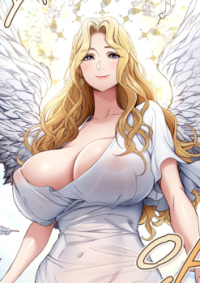
The visual artistry of parody doujinshi is equally compelling. Artists often adopt a distinctive style that blends the original character designs with their own creative flair, resulting in a fresh atmosphere that captivates the audience. The use of vibrant colors, exaggerated expressions, and whimsical backgrounds enhances the storytelling, making each panel a delightful feast for the eyes. This art style is not merely decorative; it serves to amplify the comedic elements and emotional undertones of the narrative, creating an immersive experience.
Take, for example, works like Sundome and Inside the Uniform. Both titles showcase how skilled artists can transform familiar settings and characters into something entirely new while maintaining the essence of what fans love. The juxtaposition of familiar traits with fresh, humorous scenarios invites readers to appreciate the creativity involved in parody doujinshi, celebrating both the art and the story.
Reader Appeal
So, who exactly is drawn to the charm of parody doujinshi? The audience is diverse, ranging from die-hard fans of the original series to casual readers looking for lighthearted entertainment. Fans are often eager to see their cherished characters in new lights, exploring relationships and situations that resonate with their own experiences. This genre appeals particularly to those who appreciate humor and creativity, as well as those who enjoy the playful subversion of tropes.
Moreover, the emotional connections forged through these stories often lead to a deeper appreciation for the original material. Readers find themselves not only laughing at the absurdities presented but also reflecting on the original narratives, allowing for a richer understanding of the characters’ journeys. The blend of humor and heart is what sets parody doujinshi apart, making it a beloved genre among those seeking both fun and emotional depth in storytelling.
Through the lens of parody, fans are invited to explore the fun behind reimagined characters, celebrating their quirks and flaws in a safe and entertaining space. The joy of seeing their favorites in new adventures, coupled with the creativity of the artists, creates a vibrant community of enthusiasts who cherish these unique interpretations.
In essence, parody doujinshi is more than just a playful take on beloved characters; it is a celebration of creativity and emotional storytelling that resonates with readers on multiple levels. The genre stands as a testament to the power of reimagining narratives, inviting fans to experience the familiar in ways that are both new and profoundly enjoyable.