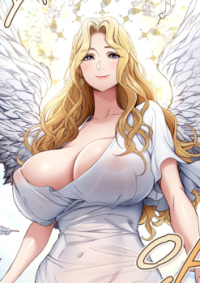

Why AI Tools Are Revolutionizing Doujinshi
In a world where creativity often wrestles with limitations, the advent of AI tools has sparked a quiet revolution in the realm of doujinshi, the beloved self-published works that have captured the hearts of manga enthusiasts. This evolution is not just technological; it’s deeply emotional, reshaping the very fabric of how stories are told and shared. As artists harness these new capabilities, they find themselves empowered to explore themes of desire, isolation, and human connection in ways that resonate profoundly with readers. This article unfolds the layers of this transformation, exploring how AI is not merely a tool, but a catalyst for deeper emotional exploration in doujinshi.
Readers embarking on this journey can expect to confront the raw realities of relationships intertwined with the imaginative possibilities that AI brings. The stories told through these platforms reflect a blend of personal struggles and universal truths, compelling us to engage with the characters and their emotional journeys on a profound level. Through this lens, we will investigate the plot and symbolism within this innovative space, illuminating how technology supports independent artists in their quest for authenticity and expression.
Plot and Symbolism
The heart of doujinshi often lies in its personal narratives, which have become increasingly rich and layered thanks to AI tools. These narratives delve into the complexities of human emotion—capturing fleeting moments of connection and the shadows of loneliness that linger in their wake. The stories can range from romantic escapades to gripping tales of self-discovery, with each plot twist revealing not just the characters’ desires, but also their vulnerabilities.
Symbolism plays a crucial role in these narratives, often representing deeper emotional truths. For instance, in works like My Love Companion, the intertwining of characters’ fates symbolizes the longing for connection amidst a backdrop of societal isolation. The AI tools that assist in creating these works are not just enhancing artistic techniques—they are allowing artists to experiment with these symbols in ways that were previously unimaginable, breathing new life into familiar tropes.
Moreover, the relationship dynamics explored in these stories reflect a broader commentary on human interaction in the digital age. The AI’s ability to analyze and suggest narrative arcs encourages creators to push the boundaries of conventional storytelling, leading to plots that are not just engaging but also resonate deeply with readers’ own experiences of love, loss, and longing.
Character Depth
As we delve deeper into character development, it becomes clear that AI tools are also enhancing the emotional complexity of these characters. They are no longer mere archetypes; they are intricately crafted individuals with relatable struggles and growth arcs. The characters evolve through their experiences, mirroring the journey of the artists themselves as they navigate the challenges of creation.
In stories like Midara na Kimi ni Kamaretai, we witness characters grappling with their desires and fears, showcasing a level of psychological depth that feels refreshingly real. The use of AI allows for more nuanced dialogues and interactions, portraying the emotional tension that arises in human relationships. This depth not only captivates readers but also invites them to reflect on their own lives and relationships.
Art Style and Mood
The visual elements of doujinshi are equally crucial in amplifying the emotional resonance of the stories. The integration of AI tools in the artistic process has led to innovative approaches in lighting, color, and framing. Artists can now experiment with styles and techniques that enhance the mood of their narratives, creating an immersive experience that draws readers into the emotional landscape of the story.
Consider the use of color gradients to evoke feelings of nostalgia or melancholy, or the strategic framing of characters in moments of vulnerability. These artistic choices become a powerful extension of the narrative itself, allowing readers to feel what the characters feel. The pacing of the artwork—how quickly a scene unfolds or how long a moment lingers—also plays a pivotal role in building tension and emotional impact.
Philosophical Takeaways
Ultimately, the revolution spurred by AI tools in doujinshi transcends mere technological advancement; it speaks to a deeper longing for connection and understanding in an increasingly fragmented world. As artists leverage these tools to explore complex themes, they invite us to reflect on our own emotional landscapes and the intricacies of our relationships. The stories crafted in this new era of doujinshi resonate with the universal human experience, reminding us that despite our differences, we share a common thread of desire, fear, and hope.
In this way, AI is not just reshaping the artistic process; it is redefining what it means to be human in the realm of storytelling. As we embrace this transformation, we find ourselves not only as spectators but as participants in a collective narrative that seeks to bridge the gaps between us, fostering a sense of community and shared experience.