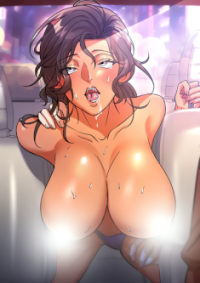

When Angst Meets Ecstasy: The Best Hentai with Emotional Trauma
The world of adult manga is vast and varied, with genres spanning from light-hearted romantic comedies to deeply emotional narratives that explore the darker facets of human experience. Among these, a subgenre has emerged that captivates audiences through its unique blend of emotional trauma and eroticism. “When Angst Meets Ecstasy: The Best Hentai with Emotional Trauma” stands out as a compelling exploration of how deeply felt emotions can intertwine with physical intimacy, creating a landscape where pleasure and pain coexist. This article delves into the reasons why this thematic crossover has garnered attention among adult manga enthusiasts and how it has evolved within the community.
Adult manga, particularly hentai, has long been characterized by its focus on explicit content. However, the integration of emotional trauma into these narratives has opened up new avenues for storytelling. Works such as “Plant – Plumbeo” and “Pizza Thot – Day One” exemplify this trend, showcasing how angst can amplify desire and create a richer viewing experience. Readers are not just seeking erotic content; they crave stories that resonate on a deeper emotional level. This article examines the elements that make “When Angst Meets Ecstasy” a standout in the realm of adult manga, exploring its narrative depth, character development, and visual artistry.
Genre Context
Within the adult manga ecosystem, “When Angst Meets Ecstasy” occupies a unique niche that blends psychological complexity with explicit themes. This fusion has led to the rise of a subgenre often referred to as “dramatic hentai,” where the emotional stakes are as high as the physical ones. Similar works, including titles like “Plant – Plumbeo,” delve into characters grappling with their past traumas while navigating erotic encounters, creating a resonant narrative that appeals to readers seeking more than just surface-level gratification.
As the adult manga community evolves, so does the expectation for storytelling. The integration of deeper psychological elements and character angst mirrors trends in mainstream media, where audiences are increasingly drawn to narratives that reflect real emotional struggles. This shift has given rise to a new wave of creators who prioritize storytelling alongside eroticism, allowing fans to engage with characters on multiple levels. “When Angst Meets Ecstasy” exemplifies this shift, offering a rich tapestry of emotional and sexual experiences that are both provocative and poignant.
Story & Characters
The narratives found in “When Angst Meets Ecstasy” are often intricate, weaving together themes of love, loss, and redemption. Characters frequently find themselves in situations that force them to confront their emotional traumas—be it the aftermath of a broken relationship or the weight of personal loss. These stories do not shy away from depicting the rawness of human emotion, often leading to a cathartic release that parallels the sexual tension present in the narrative.
One of the most compelling aspects of these works is the way they develop their characters. Readers are introduced to individuals who are not just vessels for erotic content; they are multifaceted beings with histories and emotional baggage. This depth allows for a more engaging experience, as audiences become invested in the characters’ journeys toward healing and self-discovery. For instance, the character arcs in “Pizza Thot – Day One” reflect how personal struggles can enhance interpersonal connections, making the erotic moments feel earned and significant.
Moreover, the exploration of emotional trauma in these stories often leads to unexpected plot twists that enhance the narrative’s complexity. The tension between angst and ecstasy becomes a driving force, propelling characters into situations that challenge their emotional boundaries. This duality is what makes the stories memorable, leaving readers contemplating the interplay between their emotional lives and desires long after the final page is turned.
Visuals & Presentation
The artistic direction of “When Angst Meets Ecstasy” plays a crucial role in conveying the emotional undertones of the narratives. Artists often utilize a varied palette and stylistic choices that reflect the mood of the story—dark, brooding colors can illustrate emotional turmoil, while brighter hues may symbolize moments of joy or intimacy. The contrast in visuals mirrors the tension present in the characters’ lives, creating an immersive experience that enhances the emotional depth of the narrative.
Additionally, the level of detail in character expressions and body language adds layers to the storytelling. Artists who masterfully depict vulnerability and desire can elevate a scene from merely explicit to emotionally charged. This attention to detail not only captivates the audience visually but also reinforces the themes of emotional trauma and healing, allowing readers to connect with the characters on a more profound level.
Community & Cultural Impact
Moreover, as more creators explore these themes, the cultural landscape of adult manga continues to evolve. Readers are increasingly vocal about their preferences for complex narratives that challenge traditional tropes, paving the way for future works that blend angst and ecstasy. “When Angst Meets Ecstasy” not only reflects this shift but also sets a precedent for the types of stories that can thrive in the adult manga genre.