
In the vibrant world of graphic storytelling, two distinct styles have captured the hearts of readers worldwide: manga and manhwa. Each medium, while similar in essence, brings its unique flavor to the table, inviting fans into intricate narratives that explore the depths of human emotion and connection. As we delve into this ultimate comparison of manga versus manhwa, prepare to embark on a journey that reveals the subtle yet profound differences in storytelling and art.
The Emotional Landscape of Stories
At the heart of every great story lies a premise that resonates with the reader. Manga, originating from Japan, often weaves tales that navigate the complexities of life, love, and adventure. The emotional tone can range from lighthearted comedy to deep, philosophical explorations of human nature. For instance, series like Dating Contract showcase the intricacies of relationships, drawing readers into a world where every twist and turn evokes genuine feelings of joy, heartache, and everything in between.
On the other hand, manhwa, the Korean counterpart, often emphasizes a different kind of emotional storytelling. Rooted in cultural nuances, manhwa frequently presents themes of self-discovery and personal growth, while also maintaining a whimsical charm. Titles like Let Me Drive illustrate this beautifully, portraying characters who navigate their journeys with a sense of humor and resilience. The stories delve into the relationships between characters, highlighting the importance of friendship, love, and the challenges that come with growing up.
The Artistry Behind the Narrative
The artistic direction in both manga and manhwa serves as a powerful vehicle for storytelling. Manga is characterized by its distinctive black-and-white illustrations, where the use of line work and shading can convey a myriad of emotions. The dynamic panel layouts guide readers through the narrative, creating a rhythm that mirrors the unfolding drama. This style often enhances action sequences, making them feel explosive and intense, while quieter moments are rendered with an exquisite delicacy.
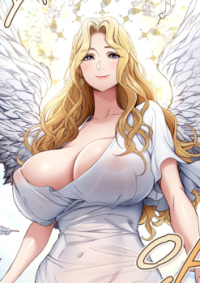
In contrast, manhwa often embraces vibrant colors and a more polished aesthetic. The use of color not only enhances the visual appeal but also serves to amplify the emotional tone of the story. The atmospheric backgrounds and detailed character designs invite readers into a world that feels alive and immersive. This visual storytelling invites a different kind of engagement, drawing readers into the emotional landscapes crafted by the artists. Each stroke of the brush, each hue, adds depth to the character relationships, making the emotional stakes feel all the more poignant.
Who Will Be Captivated?
The ultimate comparison between manga and manhwa speaks to the diverse tastes of readers everywhere. Fans of manga often appreciate intricate plots and character development that unfold over many volumes. They revel in the way stories intertwine, with character arcs that resonate deeply long after the last page is turned. If you find joy in tales that challenge your perception of reality and tug at your heartstrings, manga is sure to captivate you.
Conversely, readers drawn to manhwa often seek a blend of humor and heartfelt storytelling. The whimsical nature of many manhwa series, coupled with their emotional depth, makes them incredibly appealing for those who appreciate lighthearted narratives that still pack an emotional punch. The character-driven stories resonate with readers who value the importance of relationships and personal growth, making each page an exploration of what it means to be human.
As you explore the world of manga and manhwa, you will discover not only the differences in storytelling and art but also a shared love for the medium that transcends cultural boundaries. Both forms invite you into worlds where characters leap off the page, emotions bubble to the surface, and every story offers a unique reflection of our own lives.