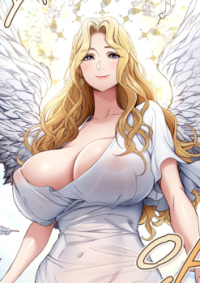

Introduction: The Visual Hook
The Leash, a captivating hentai manhwa penned by Hwa-Seong Lee and illustrated by Bong-Kyu Son, debuted in 2016 and has since become a noteworthy entry in the adult manga genre. As the narrative unfolds, readers are drawn into a world where ambition meets temptation, and the visuals serve as a potent conduit for exploring complex themes of desire and control. The artwork is characterized by its striking detail and expressive character designs, which play an integral role in conveying the emotional depth of the story. The initial allure of the art captivates the audience, drawing them into a narrative that is as much about the visual experience as it is about the unfolding drama of the characters.
Story & Symbolism
The central premise of The Leash revolves around a young, attractive protagonist whose life seems to be scripted for success. The opening lines suggest a sense of confidence and an almost naive belief in a predetermined future. However, the arrival of a mysterious figure introduces a compelling conflict that challenges her perception of success and purity. This duality—between the life she envisioned and the chaos introduced by the new character—becomes a recurring theme throughout the manhwa.
Symbolism plays a significant role in the storytelling of The Leash. The titular “leash” serves as a metaphor for the duality of freedom and control, encapsulating the protagonist’s struggle between her desires and the expectations placed upon her. As the narrative progresses, the leash represents not only the physical constraints imposed by relationships but also the psychological binds of societal judgment and personal ambition. This interplay between freedom and constraint is mirrored in the visual representation of the characters, as they navigate through scenes that oscillate between intimacy and power dynamics.
Characters and Expression
The characters in The Leash are richly developed, each embodying distinct traits and motivations that enrich the narrative. The protagonist, whose journey from self-assuredness to vulnerability is the crux of the story, is portrayed with a depth that resonates with readers. Her expressions, skillfully depicted by Bong-Kyu Son, range from confidence to confusion, showcasing the internal conflict she faces as new desires awaken within her.
The supporting characters are equally compelling, each contributing to the protagonist’s transformation. The enigmatic figure who disrupts her life is illustrated with a blend of charm and menace, his design suggesting a complexity that invites intrigue. This character’s interactions with the protagonist are laden with tension, artfully captured through nuanced facial expressions and body language that suggest a dance of power and submission.
Moreover, the emotional resonance of the characters is enhanced by the visual storytelling techniques employed throughout the manhwa. The use of close-ups during pivotal moments allows readers to connect intimately with the characters’ feelings, making their experiences more relatable and impactful. Just as in other narratives exploring relationships, such as The Witch’s Apprentice – The Owl House, the emotional stakes in The Leash are heightened through the art of expression, creating a compelling dialogue between visual and narrative elements.
Visual Identity of “The Leash”
The visual identity of The Leash is defined by its meticulous attention to detail and an aesthetic that balances sensuality with realism. The artwork is characterized by fluid lines and dynamic compositions that enhance the themes of the narrative. The backgrounds are often richly illustrated, creating immersive environments that complement the emotional undertones of each scene. This attention to detail not only elevates the aesthetic quality of the manhwa but also serves to deepen the reader’s engagement with the story.
The color palette is another significant aspect of the visual identity, with soft pastels often used in scenes that evoke innocence, contrasting with darker tones that signify turmoil and desire. This intentional use of color enhances the thematic dichotomies present in the story, allowing readers to visually interpret the protagonist’s emotional journey.
In many ways, the artwork in The Leash mirrors the emotional landscapes of its characters, much like how Oshi ni Yowai Haha – Hotate-chan utilizes its visuals to reflect the internal struggles of its protagonists. The interplay between light and shadow in The Leash not only enhances the sensual aspects but also adds a layer of complexity to the narrative, making each scene a work of art that invites contemplation.
What Sets It Apart
What truly sets The Leash apart in the realm of adult manga is its ability to intertwine deep emotional storytelling with captivating visuals in a way that feels both authentic and provocative. Unlike many works in the genre that may rely heavily on explicit content, The Leash harnesses the power of narrative to elevate its themes of control, desire, and personal transformation. The balance between the sexual and the psychological creates a rich tapestry that invites readers to explore not just the physical aspects of relationships, but the emotional complexities that come with them.
Furthermore, the character development throughout the series is nuanced and reflective of real-world dynamics, allowing for a deeper connection with the audience. The exploration of themes such as consent, power, and self-discovery is handled with care, setting a standard for storytelling within the genre.
In conclusion, The Leash is not merely a hentai manhwa; it is a masterful blend of art and narrative that challenges the conventions of adult storytelling. Through its compelling characters, rich symbolism, and striking visuals, it invites readers to reflect on their own desires and the societal constructs that shape them. As the series continues to unfold, one can only anticipate the further exploration of these themes, making The Leash an essential read for those seeking depth within the genre.