
Introduction: The Visual Hook
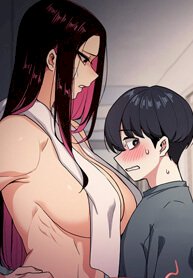
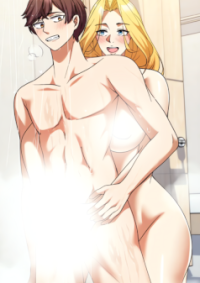
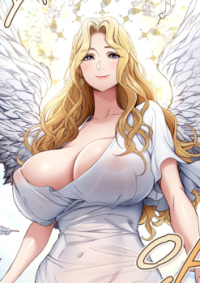
The manhwa “Sow,” created by Hyangmulyang and illustrated by Seupakeu, is a daring exploration of the duality of existence, where the lines between creator and destroyer blur intriguingly. Since its inception in 2014, the series has captivated audiences with its unique blend of drama, horror, and mystery, all while rooted in the adult genre. The visual presentation of “Sow” serves as an essential hook, drawing readers into a world that is both aesthetically alluring and disturbingly macabre. The art style is characterized by its striking contrasts; vibrant colors are juxtaposed with dark undertones, creating a captivating visual narrative that complements the storyline’s tension and complexity.
Story & Symbolism
The narrative of “Sow” revolves around Ha-Rin, a sculptor and educator by day, and her transformation into the serial killer Sow by night. This duality is not merely a plot device but a profound commentary on the masks people wear in society. The chat app through which Ha-Rin ensnares her victims symbolizes modern connections and disconnections, reflecting how technology can be both a bridge and a trap. The men she targets are drawn in by the allure of intimacy, only to find themselves victims of her dark desires. This chilling premise explores themes of power, control, and the hidden darkness within individuals, encapsulating the essence of horror and mystery.
In this context, the title “Sow” also carries layered meanings. It evokes imagery of both nurturing and destruction, aligning with Ha-Rin’s artistic pursuits and her lethal alter ego. The act of sculpting becomes a metaphor for manipulation—shaping lives and fates with her hands, whether it be through art or murder. This duality serves as a critical exploration of female agency, with Ha-Rin embodying both the creator and the destroyer, challenging conventional gender roles within the adult genre.
Characters and Expression
Ha-Rin is a complex character whose emotional depth is reflected in her art and murderous inclinations. Seupakeu’s illustrations capture her conflicting emotions through expressive facial features and body language. The stark contrasts in her demeanor, switching from a nurturing teacher to a cold-blooded killer, are accentuated by the manhwa’s visual style. Each panel is meticulously crafted, allowing readers to experience the internal turmoil that Ha-Rin faces. Her relationship with Soon-Hee, her protege, adds another layer of complexity to the narrative. Soon-Hee represents a younger generation, perhaps more naïve and eager, mirroring Ha-Rin’s past self. Through their interactions, the manhwa delves into themes of mentorship, influence, and the cyclical nature of violence.
The supporting characters, primarily the men who fall victim to Ha-Rin’s allure, are depicted with a certain caricature-like quality. This artistic choice can be seen as a critique of male archetypes often found in adult manga—shallow, lustful figures easily manipulated by female cunning. The contrast between Ha-Rin’s depth and the surface-level portrayals of her victims enhances the narrative’s critique of societal norms regarding gender and power dynamics.
Visual Identity of “Sow”
The visual identity of “Sow” is integral to its storytelling. Seupakeu employs a rich color palette that oscillates between vibrant hues and darker shades, mirroring the emotional landscape of the narrative. The use of sharp lines and dynamic angles creates a sense of movement and urgency, particularly during the more intense scenes, while softer lines and pastel tones are utilized during the serene moments of Ha-Rin’s life as a sculptor. This dichotomy enhances the reader’s experience, allowing them to feel the tension and release inherent in both her artistic and murderous pursuits.
Moreover, the intricate details in character designs are noteworthy. Ha-Rin’s appearance evolves alongside her character arc; as she embraces her darker side, her visual representation becomes more intense, adorned with elements that evoke both beauty and horror. This visual progression not only reflects her psychological changes but also serves to symbolize the broader themes of transformation and identity that permeate the series.
What Sets It Apart
“Sow” distinguishes itself in the adult manga landscape through its sophisticated storytelling and rich character development, setting it apart from more conventional works in the genre. Unlike many titles that prioritize titillation, “Sow” intertwines eroticism with psychological horror, creating a narrative experience that is as thought-provoking as it is visually stimulating. The exploration of female agency, particularly through Ha-Rin’s duality, offers a fresh perspective that challenges the traditional tropes often found in adult manga.
The series also invites comparisons to works that delve into similar themes, such as “Glorious Homecoming,” where characters navigate the complexities of desire and morality. “Sow” takes this concept further by embedding horror elements that amplify the stakes of the narrative. The art and storytelling synergize to create an immersive experience that resonates with readers on multiple levels, making it a standout title in the realm of adult manga.
For those interested in the intersection of art and narrative within adult manga, “Sow” serves as a brilliant case study. It not only entertains but also provokes thought and discussion around its themes, inviting reflections on the nature of desire, power, and the darker impulses that lie within us all. As the series continues to unfold, it promises to further explore the intricate dance between creation and destruction, leaving readers eagerly anticipating each new chapter.