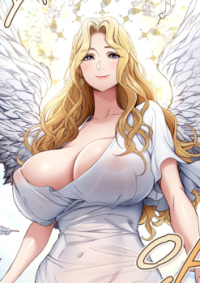

How to Read Manhwa in English: A Guide for Adult Manga Fans
Manhwa, the Korean counterpart to Japanese manga, has surged in popularity among adult manga enthusiasts, especially those looking to delve into compelling narratives and stunning visuals. One of the most exciting aspects of this medium is the accessibility of manhwa in English, which has opened up a world of storytelling for readers who may not be fluent in Korean. In this article, we’ll explore how to read manhwa in English, highlighting its relevance in the adult manga community and why it captures the attention of readers worldwide.
With the advent of various translation platforms and options, accessing high-quality English translations of manhwa has never been easier. This guide aims to navigate these platforms while also providing insights into the unique storytelling and artistic styles that distinguish manhwa from other forms of comic art. Whether you’re a seasoned reader or a newcomer, understanding how to read manhwa in English can enhance your experience and appreciation of this vibrant genre.
The Genre Context of Manhwa
Manhwa occupies a unique space within the adult manga landscape, blending elements of drama, romance, fantasy, and action. Unlike traditional manga, which often follows specific conventions, manhwa is known for its diverse storytelling techniques and character development. Works like My Wife’s Friend exemplify this trend, where complex relationships and emotional depth are at the forefront, pushing the boundaries of adult storytelling.
In recent years, various subgenres of manhwa have emerged, including webtoons that cater to a more digital audience. These webtoons often feature vertical scrolling layouts, making them ideal for reading on mobile devices. The stylistic choices in manhwa can vary widely, from the detailed artwork of romance titles to the more simplified, colorful designs found in action-oriented webtoons. This genre fluidity is part of what makes reading manhwa in English so appealing.
Story & Characters in Manhwa
The narrative depth of manhwa is often enriched by well-developed characters who face realistic challenges and dilemmas. For instance, the storyline in Michael Keikaku presents a fascinating exploration of personal relationships and ethical questions, compelling readers to engage with the material on a deeper level. Characters in manhwa are frequently portrayed with complex emotions and motivations, making them relatable and engaging.
Moreover, the pacing of manhwa tends to allow for gradual character development, which can lead to emotionally satisfying arcs. Readers can witness transformations and growth, making the journey of each character resonate more profoundly. This is particularly evident in romance and drama manhwa, where the intricacies of love and friendship are explored with nuance and sensitivity.
In addition, the cultural context in which manhwa is created often reflects societal norms and issues, providing a richer backdrop for the stories told. This cultural lens offers readers a unique perspective on relationships, gender roles, and personal aspirations, making the reading experience both enlightening and entertaining.
Visuals & Presentation in Manhwa
The art direction in manhwa is a significant factor that sets it apart from other comic forms. Artists employ a variety of styles, often showcasing intricate line work and vibrant colors that draw readers into the world of the story. The visuals are not merely an accompaniment to the narrative; they enhance the emotional tone and atmosphere, making each panel a work of art in itself.
The use of color in manhwa often conveys mood and emotion more vividly than black-and-white manga. This can be especially effective in romantic or dramatic scenes where the visual presentation heightens the impact of the storytelling. Readers often find themselves immersed in these beautifully illustrated worlds, where every detail has been meticulously crafted to evoke a specific response.
Community & Cultural Impact
The rise of manhwa has fostered a vibrant community of fans who actively engage in discussions about their favorite titles and characters. Online forums and social media platforms are filled with enthusiastic readers sharing recommendations, fan art, and translations. This sense of community not only enhances the reading experience but also promotes a deeper appreciation for the artistry and storytelling within manhwa.
Moreover, the cultural impact of reading manhwa in English has led to a broader acceptance and understanding of Korean culture among international audiences. As more readers discover these stories, the genre continues to grow, influencing trends in both storytelling and art styles within the global comic community.
In summary, exploring how to read manhwa in English opens up a treasure trove of narratives and artistic expressions that resonate with adult manga fans. By understanding the genre’s context, appreciating the story and character depth, and recognizing the community’s role, readers can fully immerse themselves in the captivating world of manhwa.