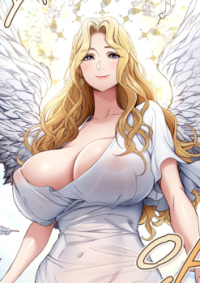

How to Learn Manga Drawing Online: The Creative Process and Storytelling Approach
Manga has transcended its origins to become a global phenomenon, captivating audiences with its unique blend of art and narrative. “How to Learn Manga Drawing Online” stands out as a remarkable guide that not only teaches the technical skills necessary for creating manga but also delves into the creative vision behind storytelling in this art form. This article explores the intricate relationship between the author’s storytelling techniques, visual direction, and thematic depth, illustrating how these elements coalesce to create an emotional experience for the reader.
As aspiring artists and storytellers navigate the digital landscape of resources, they encounter a plethora of tutorials and free resources aimed at honing their manga drawing skills. However, understanding the essence of storytelling elevates mere illustration into a profound narrative experience. This exploration will uncover the nuances that make manga drawing not just a craft but a powerful medium of expression.
Creative Vision
The creative vision behind manga is often rooted in the author’s unique perspective and personal experiences. In “How to Learn Manga Drawing Online,” we see how authors integrate their life stories, cultural influences, and emotional landscapes into their work. This organic infusion of personal narrative allows for a deeper connection with the audience, as readers can sense the authenticity and passion behind every stroke of the pen.
What sets apart a compelling manga from others is the distinctive writing style that resonates with its audience. Authors like those featured in “Clover – Vn Simp” and “SEDUCTION: Doll Castle” utilize diverse narratives that weave complex characters and intricate plots. They explore themes of love, ambition, and conflict through relatable characters, drawing readers into their worlds while simultaneously providing them with a mirror to reflect upon their own experiences.
Storytelling Technique
The storytelling technique in manga is a multifaceted art that balances pacing, structure, and emotional transitions. An effective manga often employs a deliberate pacing strategy that guides the reader through the narrative, allowing for moments of tension and release. In “How to Learn Manga Drawing Online,” aspiring artists are encouraged to consider how pacing can enhance their storytelling. For instance, quick cuts and rapid sequences can heighten action scenes, while slower, lingering panels can deepen emotional connections.
Moreover, the structure of a manga is crucial in shaping the storytelling experience. Traditional manga often follows a three-act structure, which can be adapted to fit the creator’s vision. This flexibility allows for experimentation with narrative arcs, providing opportunities to explore character development and thematic depth. By studying various manga stories, creators can learn to manipulate structure to serve their unique storytelling goals.
Transitions between scenes and panels also play a significant role in building tension and emotion. Smooth transitions can provide continuity, while abrupt changes can evoke surprise or shock. Learning how to master these transitions is an essential skill for any manga artist. Tutorials and free resources available online offer valuable insights into techniques such as panel flow and scene composition, helping artists refine their storytelling craft.
Furthermore, the emotional resonance of a story is often amplified through the use of dialogue and inner monologue. The balance of visual storytelling with written narrative creates a rich tapestry of experience that pulls readers into the character’s journey. By exploring character psychology and motivation, artists can deepen their narratives, making their stories not only engaging but also profoundly relatable.
Visual Composition
The artistry of manga is as significant as its storytelling, with visual composition playing a pivotal role in conveying emotion and theme. Layout, lighting, and symbolism are essential components that enhance the narrative. In “How to Learn Manga Drawing Online,” artists are encouraged to experiment with panel layouts to create dynamic storytelling experiences. For instance, varying the size and shape of panels can emphasize action or highlight key moments in the narrative.
Lighting is another crucial element that can evoke mood and atmosphere. Artists often use contrasts between light and shadow to convey emotions, such as despair or hope. The strategic use of color, though traditionally limited in black-and-white manga, can also influence the tone of the story. Exploring color palettes and their psychological effects can help artists create a more immersive experience for their readers.
Symbolism, too, holds a significant place in manga. Creators often incorporate visual metaphors that resonate on multiple levels, enriching the narrative with layers of meaning. Understanding how to effectively use symbols can enhance storytelling and provide readers with a more profound experience. Online resources and tutorials frequently showcase examples of effective symbolism in popular manga, offering aspiring artists a blueprint for their own creative endeavors.
Legacy & Influence
The impact of “How to Learn Manga Drawing Online” extends beyond individual creators, influencing trends within the manga genre. As more artists embrace the principles of storytelling and visual composition, we see a blossoming of diverse narratives that reflect various cultures and experiences. This evolution fosters a rich tapestry of storytelling styles, enriching the manga landscape.
Additionally, the lessons learned from studying successful manga can inspire new creators to explore uncharted territories in their narratives. As seen in the works of “Clover – Vn Simp” and “SEDUCTION: Doll Castle,” the fusion of unique storytelling techniques and striking visuals continues to push the boundaries of what manga can achieve. By absorbing these lessons, aspiring artists can contribute to the ongoing legacy of manga, creating works that resonate deeply with audiences around the world.