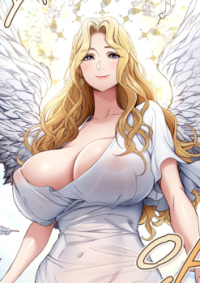

From Side Character to Star: The Best Manhwa Spin-offs Worth Reading
In the vibrant world of manhwa, stories often unfold with a rich tapestry of characters, where some shine brightly in the spotlight while others linger in the shadows. However, there exists a unique charm in the journey of those side characters who, against all odds, step into the limelight. “From Side Character to Star: The Best Manhwa Spin-offs Worth Reading” encapsulates this transformative journey, inviting readers to explore narratives that elevate secondary figures into protagonists with depth, emotion, and complexity. This exploration not only captivates but also resonates with anyone who has ever felt overlooked or underestimated in their own life.
As readers embark on this journey through the best spin-offs, they can expect an emotional rollercoaster that delves into the intricacies of relationships, personal growth, and the human experience. The spin-offs discussed here do more than just entertain; they offer profound insights into desire, isolation, and the quest for identity, making them worthy of a deeper analysis.
Plot and Symbolism
The essence of a well-crafted spin-off lies in its ability to expand upon the original universe while introducing fresh narratives that resonate with audiences. Each story unfolds with layered plots that intertwine the past and the present, shedding light on the motivations and struggles of characters who were once relegated to the background. For instance, a popular spin-off may take a side character who previously served merely as comic relief and unveil their hidden desires or unfulfilled dreams. This transformation is more than plot development; it symbolizes the universal longing for recognition and purpose.
Within these narratives, themes of isolation and memory often surface, creating a rich emotional landscape. Characters grapple with their pasts, often reflecting on moments that shaped their identities. Through beautifully woven stories, readers are invited to ponder the significance of memory and how it influences one’s present. The act of revisiting these memories often serves as a catalyst for profound change, illustrating the idea that our past does not define us but rather propels us toward our future.
Furthermore, these spin-offs often utilize symbolic elements to enhance their themes. A recurring motif, such as a withering flower or a fading photograph, can evoke feelings of nostalgia and longing. These symbols serve as quiet reminders of what has been lost or what remains to be embraced, inviting readers to reflect on their own experiences of love, loss, and the passage of time. It is this emotional resonance that elevates these stories from mere entertainment to poignant reflections on the human condition.
Character Depth
At the heart of every compelling spin-off is a cast of characters that undergoes substantial emotional evolution. The transition from side character to star often involves a journey of self-discovery, where individuals confront their fears, desires, and insecurities. This evolution is portrayed with remarkable authenticity, as characters experience moments of vulnerability that make them relatable and complex.
For example, a character who once appeared as a loyal friend may find themselves grappling with feelings of jealousy or inadequacy when thrust into the spotlight. This internal conflict is beautifully explored through nuanced dialogues and interactions with other characters, revealing the intricate web of relationships that define them. As they navigate their challenges, readers witness not only their growth but also the impact of their relationships on their personal journeys. The emotional stakes are high, making each moment of triumph or despair feel deeply significant.
The complexity of these characters is further enriched by their backstories, which are often revealed in fragments throughout the narrative. This piecemeal approach to character development allows readers to piece together their histories, creating a sense of intimacy and connection. By the time these once-side characters take center stage, readers are fully invested in their journeys, rooting for their success and empathizing with their struggles.
Art Style and Mood
The visual artistry of manhwa plays a crucial role in amplifying the emotional weight of the narratives. The use of color, lighting, and framing can evoke a spectrum of feelings, from the warmth of burgeoning love to the starkness of solitude. In spin-offs that focus on expanding the universe, the art style often varies to reflect the emotional tone of the story being told. Darker, muted colors may accompany moments of introspection or conflict, while vibrant hues may illuminate scenes of joy or triumph.
Moreover, the pacing of the artwork contributes significantly to the overall mood. Strategic paneling can create tension, drawing readers into a moment of suspense or revelation. In quieter scenes, a slower pace allows readers to linger on the characters’ expressions, capturing the subtleties of their emotions. This interplay between art and narrative creates a fully immersive experience, allowing readers to feel the weight of each moment as if they were living it alongside the characters.
Philosophical Takeaways
Ultimately, the best manhwa spin-offs remind us of the inherent value in every individual’s story. They challenge the notion of hierarchy within narratives, emphasizing that every character has the potential to shine when given the opportunity. This journey from side character to star not only highlights the importance of personal growth but also underscores the significance of empathy and understanding in our interactions with others.
As readers close the final pages, they are left with a lingering sense of hope and a deeper appreciation for the complexities of human emotion. These narratives serve as a mirror, reflecting our own struggles and triumphs, and reminding us that, much like the characters we grow to love, we too can become the protagonists of our own stories.