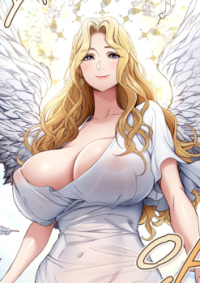

Everything You Need to Know About Digital Doujinshi
In the vibrant realm of adult manga, digital doujinshi has emerged as a fascinating phenomenon that encapsulates the creativity and freedom of independent artists. These self-published works, often exploring themes that mainstream publishers might shy away from, offer a unique blend of storytelling and artistry that resonates deeply with audiences. As we delve into the world of digital doujinshi, we will uncover what makes this medium special, the transition from print to digital, and how it has reshaped the landscape of adult manga.
Digital doujinshi not only provides a platform for unconventional narratives but also fosters a community of enthusiasts who appreciate the raw, unfiltered expression of creators. The accessibility of digital formats has democratized manga production, enabling a diverse array of voices to emerge. This article will serve as a comprehensive guide to understanding the intricate layers of digital doujinshi, from storyline and themes to character development and art direction.
Storyline & Themes
Central to the appeal of digital doujinshi is its willingness to tackle complex and often taboo subjects. Unlike traditional manga, which may adhere to established norms and expectations, digital doujinshi frequently explores the fringes of human experience, diving into themes of desire, identity, and societal norms. For example, stories like The Inheritor Raw delve into the intricacies of power dynamics and the psychological impact of relationships, presenting narratives that are both provocative and thought-provoking.
The pacing in digital doujinshi varies widely, allowing creators the flexibility to develop their plots at a rhythm that suits the story’s emotional beats. Many works utilize a slow-burn approach, building tension and deepening character relationships over time, while others might prefer a more frenetic style, capturing the thrill of passion and conflict in rapid succession. This ability to manipulate pacing enhances the reader’s emotional connection to the story, making the experience more immersive.
Moreover, the thematic depth of digital doujinshi often reflects the creators’ personal experiences and societal observations. Themes such as isolation, longing, and the struggle for acceptance are prevalent, resonating with readers who find solace and understanding within the pages. The exploration of psychological themes allows for a rich tapestry of narratives that challenge conventions and invite introspection.
Character Exploration
Character development is a cornerstone of effective storytelling in digital doujinshi. The protagonists often exhibit complex personalities that evolve throughout the narrative, influenced by their interactions and the challenges they face. For instance, in works like Hypnotist Security Guard, characters grapple with their desires and the implications of their choices, leading to significant personal growth.
Motivations behind character actions are frequently layered, reflecting both individual desires and broader societal pressures. This multifaceted approach allows readers to empathize with the characters, even when their actions are questionable. As the story unfolds, characters often confront their fears and insecurities, leading to powerful moments of revelation that resonate on a personal level with the audience.
Art Direction & Visual Style
The artistry in digital doujinshi is as diverse as its storytelling. Many creators experiment with styles that range from hyper-realistic to abstract, each bringing a unique visual language to their narratives. The art direction plays a critical role in enhancing the themes of the story, often using color palettes and stylistic choices to evoke specific emotions. For example, a darker, muted palette might be used to convey themes of despair, while bright colors could symbolize hope and joy.
Paneling and layout in digital doujinshi also differ significantly from traditional manga. Creators often utilize unconventional layouts that guide the reader’s eye in innovative ways, enhancing engagement with the story. The merging of text and visuals is seamless, with artwork often conveying what words cannot express, making the reading experience more dynamic and layered.
Reader Experience & Appeal
The allure of digital doujinshi lies in its ability to cater to a wide range of tastes and preferences. Readers who appreciate nuanced storytelling and character-driven narratives will find themselves captivated by the offerings in this genre. The accessibility of digital formats means that niche genres, including those that explore adult themes, can thrive without the constraints of traditional publishing.
Moreover, the community surrounding digital doujinshi fosters a sense of belonging among fans. Discussions about the themes, character arcs, and artistic choices are prevalent in online forums and social media, enriching the reader experience. This sense of community not only enhances the enjoyment of the works but also encourages creators to push boundaries and explore new ideas.
As digital doujinshi continues to evolve, its place in the adult manga landscape remains significant. The transition from print to digital has opened up new avenues for storytelling, allowing for a broader spectrum of voices and experiences to be shared with the world. Whether you are a seasoned fan or a newcomer, understanding the nuances of digital doujinshi will enhance your appreciation for this unique artistic expression.